• flushing a toilet causes small particles to fly into the air, including c. diff spores if the toilet has been used by an infected person
• c. diff infection will give you diarrhea
• this study looks at how contagious that diarrhea is!
• the authors tested a toilet in a controlled environment to see how much c. diff can spread:
(full details in the supplementary paper here)
- built a small sealed cubicle to test a toilet without outside influence
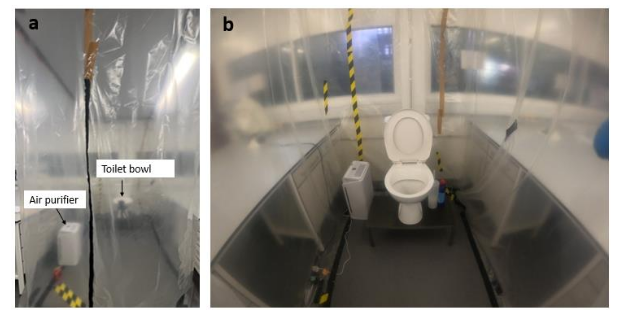
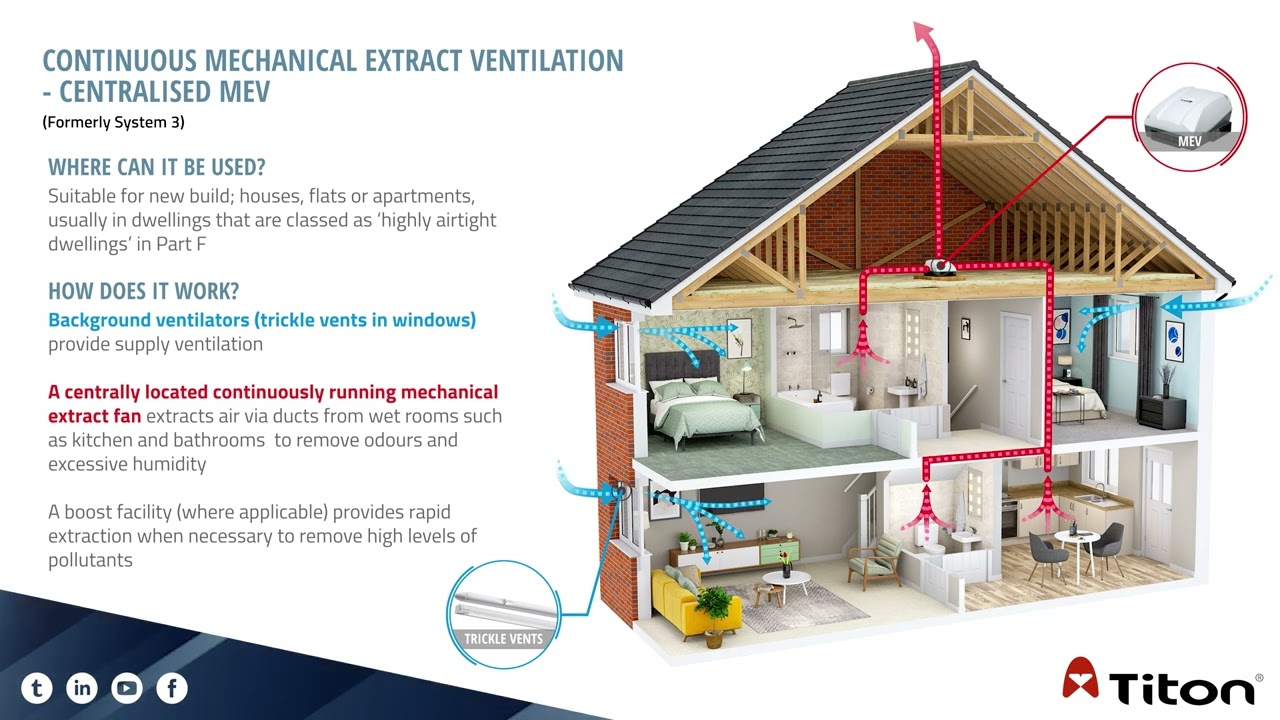
- ventilated the cubicle with a mechanical extraction system and a HEPA filter air purifier
- created a "non-toxigenic spore suspension" to replicate the consistency of diarrhea (no actual poop was harmed in the making of this study)
- every day for two weeks, they took control measurements (to make sure the room was free of c. diff),
- then added this spore mix into the toilet and flushed it once.
(they make sure to mention that it was author #1 who did the flushing every time. so if someone flushed wrong, blame E.N. Paddy!)
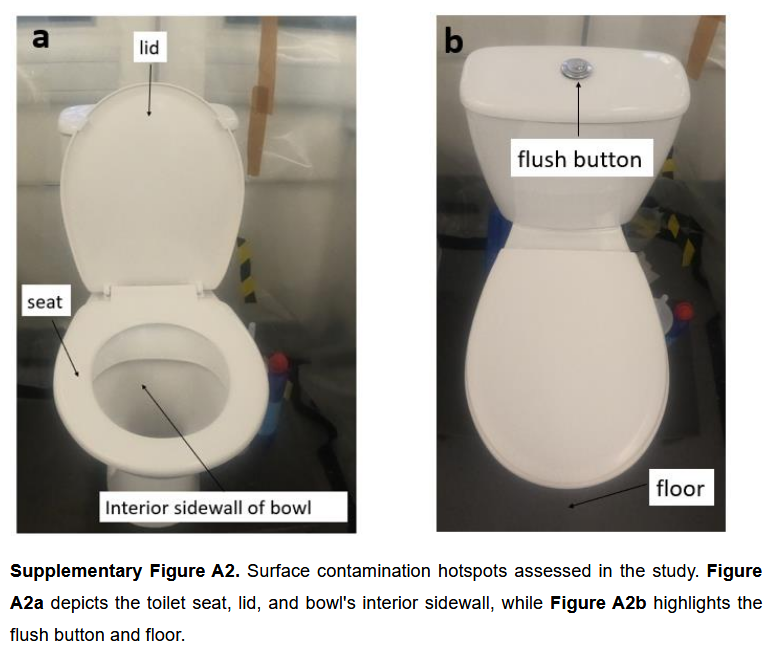
- after the flush, they collected samples from the air, flush button, toilet seat, toilet lid, and floor.
- they also recorded humidity levels in the air before & after flushing
what they found:
• statistically significant differences in c. diff concentrations on different surfaces
• the floor and the seat were the most highly contaminated
• these risks are lower because you're unlikely to touch one of these surfaces immediately before touching your mouth or food
• but they included it because it may affect cleaning staff, maintenance workers, or those with limited mobility
• humidity in the room increases significantly, making it easier for infectious particles to stay airborne and spread
• flushing the toilet can definitely spread c. diff spores
• the highest risk of getting sick is from the flush button or inhalation
- you can get sick from touching a contaminated flush button and then touching your mouth or food
- you can get sick from breathing enough infected bathroom air
- they call this airborne spray of c. diff spores "toilet plume bioaerosols"
• the authors say that these findings "reinforce the urgent need for enhanced c. diff infection prevention and control measures"
• they suggest:
- stricter cleaning routine for high-contact surfaces (flush button, toilet seat, floors)
- touchless flushing mechanisms, to minimize direct contact with contaminated surfaces
- incorporating "antimicrobial surfaces"
- adding air purifiers/sanitizers
- improving ventilation to bring in more fresh air and clear out floating infectious particles & extra humidity
• it's important to address "all potential transmission pathways"
• basically all safety guidelines and cleaning policies need to be re-evaluated in healthcare settings
• this study only looked at one toilet in a sealed environment, and one non-contagious form of c. diff. it therefore probably UNDERestimates the risk of c. diff transmission in this scenario
• biggest concern is hospital workers and patients staying in the hospital: they are exposed multiple times a day, which adds up
• handwashing is very important! but even healthcare employees slack on that
• just improving ventilation or just increasing handwashing or just keeping toilet lids closed isn't enough. it needs to be addressed from multiple angles to effectively reduce transmission
limitations of the study (as identified by the authors)
• they only tested one toilet
• future experiments should try different designs of toilet, different positions when flushing, different "usage patterns" in the bathroom (hey, everyone's different!), more specific info on how c. diff spreads, and timed measurements to see how long it remains present and contagious
• intervention measures (like antimicrobial surface coatings and automated flushing) need to be tested more closely
• it would be useful to have input from microbiologists, engineers, and healthcare professionals
tl;dr: "this study illuminates the under-recognized risks of toilet plume bioaerosols in c. diff infection transmission" (and this likely also extends to other airborne infections)